These days, if you want to open a clothing store, it is more than just an opportunity to build a brand: it is a way to express creativity and earn money from anywhere in the world. Yet the upkeep of a fashion e-commerce business and working toward its steady growth is a different matter altogether.
If you are wondering how to make a clothing store online successful, you have landed at the right spot. This guide will walk you through everything from setting up the website, managing the inventory, and marketing to building customer loyalty.
Step 1: Define Your Brand Identity
Before uploading a single product or building a website, the important thing is to have a clear definition for your brand identity. Your brand is not just some logo or name-it is really a feeling that customers go through while interacting with your store.
Ask these questions:
Who am I going after?
What style/topical issue should my store align with? (e.g., streetwear, sustainable fashion, ethnic wear, plus-size fashion)
What makes my brand different from the others?
A strong and authentic brand will help you stand out in a crowded market and draw loyal customers.
Step 2: Choose the Right Business Model
When seeking to operate an online clothing business, the business model is of enormous significance in terms of operation and profit. The following are the most prevalent models:
1. Print on Demand (POD):
You create designs or logos, and a third-party provider prints and sends them on apparel when purchases are made. Minimal initial investment but lower margins.
2. Dropshipping:
You source clothing products from suppliers in your virtual store. Upon sale, the supplier ships it. It is simple to begin with but provides minimal control over quality and delivery time.
3. Private Labeling:
You produce or purchase clothes, label them with your own name, and ship them yourself or via a fulfillment service. Greater margins and control—but more investment and work.
4. Manufacturing Your Own Designs:
This is for the true fashion designers. It entails creating, manufacturing, and marketing original garments. It grants you complete creative freedom but demands money and stock management.
Step 3: Build a Professional Website
Your website is your shopfront. A tidy, user-friendly, and mobile-optimized site makes a massive difference.
Key items your website needs to have:
Homepage with value proposition
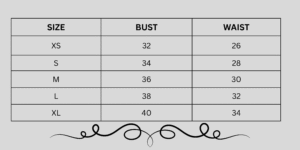
Product pages with excellent images, size guides, and extended descriptions
About Us page to tell your brand story
Secure checkout and multiple payment options
Customer reviews and testimonials
FAQ and return policy pages
You can employ websites such as Shopify, WooCommerce, Wix, or BigCommerce based on your finances and technical expertise.
Step 4: Source Quality Products
Even with beautiful branding and a great website, customers won’t return unless the product quality is top-notch. Whether you’re designing your own clothes, dropshipping, or sourcing from suppliers, always request samples before listing them in your store.
Check for:
- Fabric durability
- Stitching quality
- Colorfastness
- Fit and sizing consistency
High-quality products reduce return rates and increase word-of-mouth marketing.
Step 5: Set Up Inventory and Logistics
One of the largest challenges in how to operate an online clothing business is effectively managing inventory. If you’re not dropshipping, you will have to monitor stock levels, restock top sellers, and not over-order unsold ones.
Tips for inventory:
Implement inventory management software such as TradeGecko, Zoho Inventory, or Shopify’s included tools
Monitor best-sellers and change your restocking tactic
Have a good shipping and fulfillment system (in-house or outsourced)
Provide shipping options such as express delivery, tracking, and cash on delivery (particularly in countries such as India).
Step 6: Create a Powerful Marketing Strategy
Marketing is the pulse of any web-based clothing store. However fashionable your products may be, they will not sell if nobody is aware of them.
Key marketing channels:
1 Social Media Marketing:
Instagram, Pinterest are your closest allies. Highlight your products through reels, influencer marketing, and lifestyle photoshoots.
2 Email Marketing:
Gather customer emails and send them notifications regarding new arrivals, special discounts, and fashion tips.
3 Search Engine Optimization (SEO):
Keyword-optimize your product descriptions, blog posts, and pages with terms such as “organic cotton t-shirts” or “affordable women’s fashion” in order to improve Google rankings.
4 Paid Advertising:
Employ Meta Ads and Google Shopping to retarget users and increase sales during promotional seasons or special sale events.
5 Influencer Partnerships:
Partner with micro-influencers to reach targeted niche communities and establish credibility.
Consistency is most important. A regular content calendar keeps your brand in the face of your customers.
Step 7: Focus on Customer Experience
Great customer service can make your store stand out and result in repeat business. Keep things simple so that customers will trust and adore your brand.
Make sure to:
- Rapid and cordial replies to questions
- Easy returns or exchanges
- Handwritten thank-you notes or loyalty rewards
- Clear shipping and refund policies
You might even want to consider using live chat software like Tidio or Zendesk.
Step 8: Track Performance and Optimize
Having an online clothing business is not a “set it and forget it” venture. You must constantly monitor your store’s performance and tweak your strategies.
Make use of:
Google Analytics: To know traffic, bounce rate, and conversions
Hotjar: For heatmaps and user behavior analysis
Facebook Pixel: For ad targeting and retargeting
Customer surveys: For feedback and ideas to improve
Continue trying out new styles, prices, packages, and selling messages until you identify the one that best speaks to your audience.
Step 9: Stay Ahead of Fashion Trends
Fashion is ever-evolving. You have to keep pace with what is trendy in the market.
- Tracking fashion bloggers, shows, and influencers
- Using Google Trends or Pinterest Predicts
- Don’t be afraid to ask your customers what they want next
Releasing limited series collections or seasonal drops also builds urgency and exclusivity.
Step 10: Scale Your Business
Once you know the fundamentals of how to operate an online fashion shop, it’s time to consider scaling. That could mean.
- Diversifying product categories (for example, accessories, shoes, or menswear)
- Starting international shipping
- Developing a mobile app for your shop
- Partnering with celebrities or opening pop-up shops
Scaling involves smart delegation, improved technology, and occasionally enlisting assistance—but with the right systems, you can turn your shop into a strong fashion brand.
Conclusion
Creativity and strategic thinking go hand in hand when learning how to run an online clothing store. It takes effort, patience, and a thorough knowledge of the customers you seek to please. But if you stay true to your brand, put quality and service first, and are always willing to flex, success will come.
The following tips will help you build a thriving online fashion business that customers keep coming back to-whether you are launching an online business or are onto operations.
Also read our blog on how to select right size online.