
newvisionclothing

Online Store Guide

How to select the right size online
Blog, Online Store Guide

How to Select the Right Size Online: A Comprehensive Guide

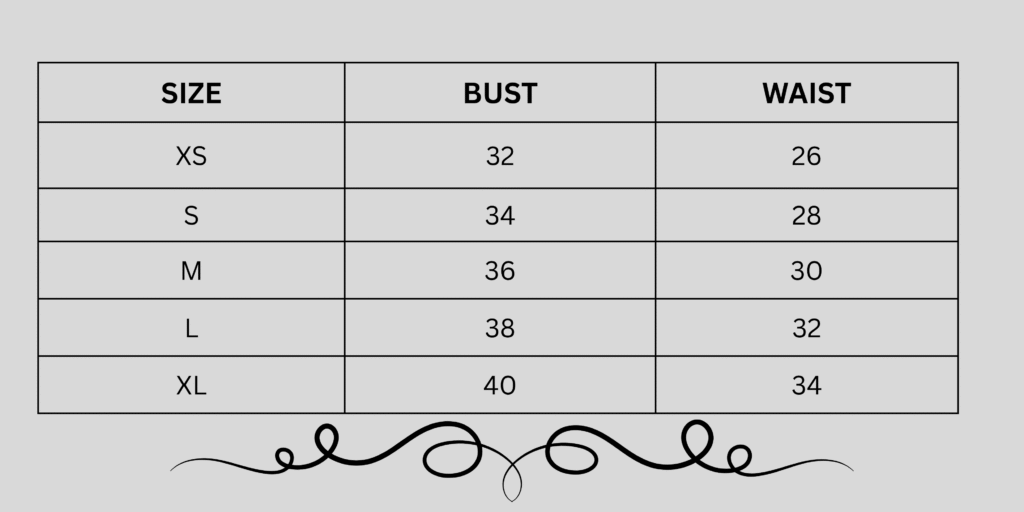
Online shopping for clothes has become incredibly popular due to its convenience, selection, and comfort. Yet, how to select the right size online is one of the biggest challenges that shoppers face. You cannot try on the clothes when purchasing, as opposed to when buying in a traditional shop, which often leads to uncertainty and returns. We’ll cover all you need to know here in this blog post so you can shop online confidently, reduce returns, and enjoy a smooth experience. However “Shopping for clothes online has become incredibly popular. If you’re just getting started, check out our Online Clothing Store Guide for everything you need to know.” Why Having the Right Fit is Important Comfort is only part of a perfect fit; it also affects your appearance and mood. Wearing correctly fitted clothes that flatter your shape enhances your self-confidence and saves you the hassle of exchanges or refunds. Choosing the incorrect size can lead to: Let’s resolve that issue of how to select the right size online. 1. Know Your Measurements Measure your body before adding anything to your cart. The most dependable method for select the right size online is this one. Important measurements to make and Know How to select the right size online Bust/chest: Measure around the fullest area of your chest or bust. Waist: Measure the smallest part of your waist. Hips: Measure around the widest part of your hips. Inseam: The inseam is the distance from your crotch to the bottom of your leg. Shoulders: From shoulder to shoulder across the back. Expert Tip: Ensure the measuring tape fits comfortably without being too tight with a soft measuring tape. For precise measurements, always use bare skin or fitted clothing. Record these measurements and bring them along on your shopping trip. 2. Review the Brand’s Size Chart Assuming that size labels are standard is one of the largest mistakes that shoppers make. In one brand, size “M” may be size “L” in another. Referring to the exact size chart of the brand is thus important for selecting the right size online Most sites provide: A measurement chart (in centimetres or inches) Fit descriptions (regular, relaxed, slim fit) Model measurements (e.g., “Model is 5’7″ and wearing size S”) To select the most precise size, refer to your measurements and compare them to the chart. 3. Read Product Descriptions Carefully Product description holds important clues regarding how something will fit along with the size chart. Be on the lookout for these words: Fit Type: Regular, Oversized, Slim Stretchability: Non-stretchable, Stretchable Composition of the Material: Rayon, Polyester, Cotton, etc. For example, a close-fitting cotton blouse with no stretch may require sizing up. Alternatively, a loose-fitting rayon dress could fit in your regular size or even smaller. 4. Seek Out Customer Reviews & Photos Customer reviews are priceless when it comes to determining how accurate to size an item runs. Whether the item runs large or small is something that many reviews will comment on. For the most up-to-date information, read client reviews whose measurements are similar to yours. 5. Utilize Virtual Fitting Rooms or Size Recommendation Tools Today, many clothing websites offer virtual fitting tools in which you can input your body type, height, weight, and measurements. They suggest the perfect size for each product according to this information. Some tools also allow you to: This fast-evolving technology is especially helpful for frequent internet shoppers. 6. Begin With Simple or Comfy Items Don’t begin with complex clothes, like tight dresses or smart clothes, if you are trying out a new brand or store. Attempt simple things like You can safely move on to other categories once you understand how their sizing works. 7. Read the Return Policy Before You Shop Mistakes can happen despite adequate preparation. That’s why it’s important to check out the return and exchange policy of the store. Look for: When buying something in a size that you’re uncertain about, an elastic return policy provides reassurance. 8. Understand How Various Fabrics React Fit depends significantly on fabric. Here is a quick overview of the behavior of different fabrics: Stretches that contain Lycra/Spandex are ideal for bodycon clothes. Understanding how each of the fabrics behaves, especially after washing, makes it possible to pick the right size when shopping online. 9. Check Size Conversions When Ordering Globally Compare your size to theirs using a size conversion chart if you’re buying from an international site. Sizes vary greatly: India: 38, 40, etc. US: S, M, L, XS, etc. UK: 6, 8, 10, etc. Europe: 36, 38, 40, etc. To avoid confusion, double-check the region’s size. 10. Don’t Trust Only Labels A “M” or an “L” label is not sufficient information. Your body measurements, the cut of the item, and the style all factor into how it’s going to fit. Shift focus more towards measurements + reviews + material rather than size labels. Conclusion It is not as challenging as it may look to determine how to select the right size online. Shop in confidence, avoid disappointment, and even reduce returns if you possess the appropriate information and tools. A quick rundown of your size-success checklist is this: Know your measurements. Informed is the best way to choose the right size. Utilize these tips the next time you shop online to become a pro at getting the perfect fit.
How to run an online clothing store
Online Store Guide

How to Run an Online Clothing Store: A Complete Guide for Success

These days, if you want to open a clothing store, it is more than just an opportunity to build a brand: it is a way to express creativity and earn money from anywhere in the world. Yet the upkeep of a fashion e-commerce business and working toward its steady growth is a different matter altogether. If you are wondering how to make a clothing store online successful, you have landed at the right spot. This guide will walk you through everything from setting up the website, managing the inventory, and marketing to building customer loyalty. Step 1: Define Your Brand Identity Before uploading a single product or building a website, the important thing is to have a clear definition for your brand identity. Your brand is not just some logo or name-it is really a feeling that customers go through while interacting with your store. Ask these questions: Who am I going after?  What style/topical issue should my store align with? (e.g., streetwear, sustainable fashion, ethnic wear, plus-size fashion) What makes my brand different from the others? A strong and authentic brand will help you stand out in a crowded market and draw loyal customers. Step 2: Choose the Right Business Model When seeking to operate an online clothing business, the business model is of enormous significance in terms of operation and profit. The following are the most prevalent models: 1. Print on Demand (POD): You create designs or logos, and a third-party provider prints and sends them on apparel when purchases are made. Minimal initial investment but lower margins. 2. Dropshipping: You source clothing products from suppliers in your virtual store. Upon sale, the supplier ships it. It is simple to begin with but provides minimal control over quality and delivery time. 3. Private Labeling: You produce or purchase clothes, label them with your own name, and ship them yourself or via a fulfillment service. Greater margins and control—but more investment and work. 4. Manufacturing Your Own Designs: This is for the true fashion designers. It entails creating, manufacturing, and marketing original garments. It grants you complete creative freedom but demands money and stock management. Step 3: Build a Professional Website Your website is your shopfront. A tidy, user-friendly, and mobile-optimized site makes a massive difference. Key items your website needs to have: Homepage with value proposition Product pages with excellent images, size guides, and extended descriptions About Us page to tell your brand story Secure checkout and multiple payment options Customer reviews and testimonials FAQ and return policy pages You can employ websites such as Shopify, WooCommerce, Wix, or BigCommerce based on your finances and technical expertise. Step 4: Source Quality Products Even with beautiful branding and a great website, customers won’t return unless the product quality is top-notch. Whether you’re designing your own clothes, dropshipping, or sourcing from suppliers, always request samples before listing them in your store. Check for: High-quality products reduce return rates and increase word-of-mouth marketing. Step 5: Set Up Inventory and Logistics One of the largest challenges in how to operate an online clothing business is effectively managing inventory. If you’re not dropshipping, you will have to monitor stock levels, restock top sellers, and not over-order unsold ones. Tips for inventory: Implement inventory management software such as TradeGecko, Zoho Inventory, or Shopify’s included tools Monitor best-sellers and change your restocking tactic Have a good shipping and fulfillment system (in-house or outsourced) Provide shipping options such as express delivery, tracking, and cash on delivery (particularly in countries such as India). Step 6: Create a Powerful Marketing Strategy Marketing is the pulse of any web-based clothing store. However fashionable your products may be, they will not sell if nobody is aware of them. Key marketing channels: 1 Social Media Marketing: Instagram, Pinterest are your closest allies. Highlight your products through reels, influencer marketing, and lifestyle photoshoots. 2 Email Marketing: Gather customer emails and send them notifications regarding new arrivals, special discounts, and fashion tips. 3 Search Engine Optimization (SEO): Keyword-optimize your product descriptions, blog posts, and pages with terms such as “organic cotton t-shirts” or “affordable women’s fashion” in order to improve Google rankings. 4 Paid Advertising: Employ Meta Ads and Google Shopping to retarget users and increase sales during promotional seasons or special sale events. 5 Influencer Partnerships: Partner with micro-influencers to reach targeted niche communities and establish credibility. Consistency is most important. A regular content calendar keeps your brand in the face of your customers. Step 7: Focus on Customer Experience Great customer service can make your store stand out and result in repeat business. Keep things simple so that customers will trust and adore your brand. Make sure to: You might even want to consider using live chat software like Tidio or Zendesk. Step 8: Track Performance and Optimize Having an online clothing business is not a “set it and forget it” venture. You must constantly monitor your store’s performance and tweak your strategies. Make use of: Google Analytics: To know traffic, bounce rate, and conversions Hotjar: For heatmaps and user behavior analysis Facebook Pixel: For ad targeting and retargeting Customer surveys: For feedback and ideas to improve Continue trying out new styles, prices, packages, and selling messages until you identify the one that best speaks to your audience. Step 9: Stay Ahead of Fashion Trends Fashion is ever-evolving. You have to keep pace with what is trendy in the market. Releasing limited series collections or seasonal drops also builds urgency and exclusivity. Step 10: Scale Your Business Once you know the fundamentals of how to operate an online fashion shop, it’s time to consider scaling. That could mean. Scaling involves smart delegation, improved technology, and occasionally enlisting assistance—but with the right systems, you can turn your shop into a strong fashion brand. Conclusion Creativity and strategic thinking go hand in hand when learning how to run an online clothing store. It takes effort, patience, and a thorough knowledge of the customers you seek to please. But if you stay true

Scroll to Top
Call Now Button